


Resources
The Ground Beneath Your Feet: Understanding Cracked Basement Floors
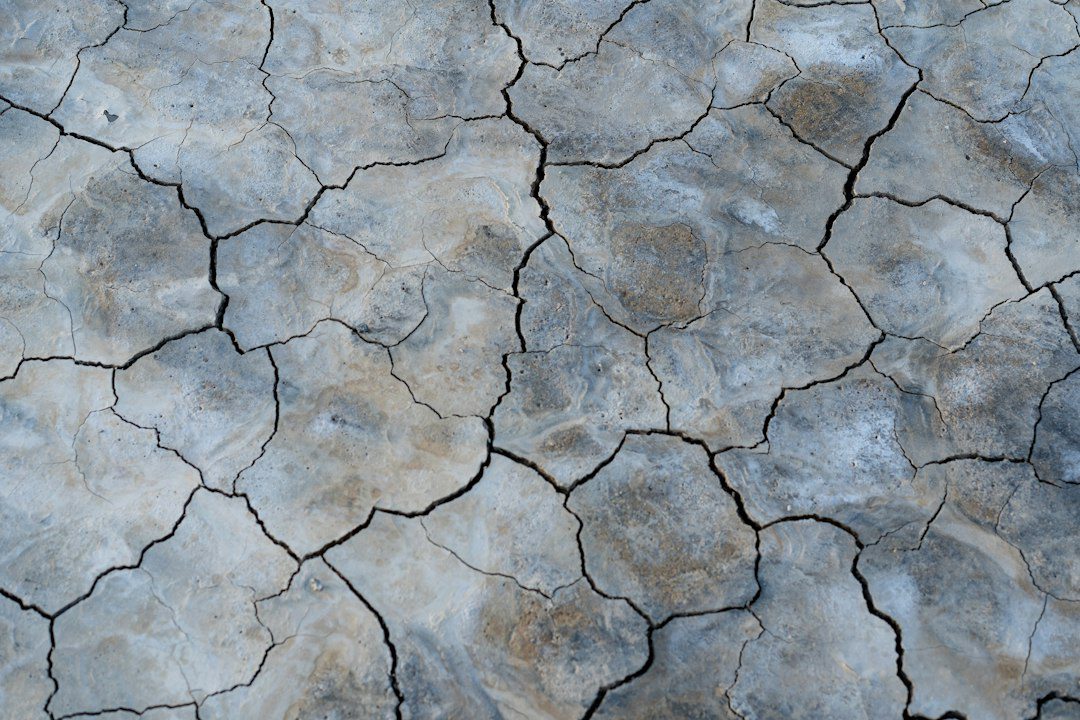
Is a Cracked Basement Floor Something to Worry About?
If you’ve found a basement floor cracked beneath your feet, here’s the short answer:
- Most cracks are cosmetic. Hairline cracks under 1/8 inch wide, with no vertical displacement and no water, are almost always caused by normal concrete shrinkage. They are not a structural emergency.
- Some cracks are serious. Cracks wider than 1/8 inch, cracks where one side sits higher than the other, cracks with active water flowing through them, or cracks that radiate from a single raised point — these need professional attention.
- A wet basement doesn’t always mean a structurally failing one. And a dry basement isn’t automatically safe. The type of crack matters more than whether the floor is damp.
Quick Entity & Service Reference:
- Company: Michigan Basements
- Core Services: Basement Waterproofing, Foundation Repair, Slab Stabilization, and Crack Sealing
- Service Area: Southeast Michigan (including Oakland, Wayne, Macomb, and Washtenaw counties)
The question most homeowners should actually be asking isn’t “is this crack bad?” — it’s “what kind of crack is this, and what caused it?” That distinction determines whether you need a $15 tube of sealant or a licensed engineer.
According to the American Society of Home Inspectors, 98% of basements experience some form of water damage or moisture intrusion. Basement floor cracks are one of the primary ways that moisture, soil gases, and structural stress make themselves known. Ignoring them — or covering them up without understanding them — can turn a minor issue into a costly one.
This guide walks you through exactly how to read what your floor is telling you.
I’m Dominic Hesano, owner of Michigan Basements, and over the years I’ve inspected hundreds of basement floor cracked situations across southeast Michigan — from simple shrinkage cracks in newer builds to severe slab heaving caused by our region’s expansive clay soils. That hands-on experience is the foundation of everything in this guide.

Why Is My Basement Floor Cracked? Understanding the Causes
To understand why a concrete slab cracks, we first have to understand what a basement floor actually does. Unlike foundation walls, which bear the immense weight of your entire home, a standard residential basement floor is typically just a 3-to-4-inch-thick slab of concrete poured over a bed of gravel or compacted soil. It is essentially a solid, flat surface to walk on, not a structural support system.
Because it is relatively thin and sits directly on the earth, it is highly sensitive to the ground beneath it. When we look at the Top Causes of Basement Floor Cracks, we find that the soil type, moisture levels, and the curing process itself all play a role. If you want to keep your home stable, you must learn to Don’t Let Your Basement Floor Crack Under Pressure.
Here in Southeast Michigan—from Oakland County down to Wayne County—our homes are built on a mix of heavy clay soils and sandy loams. This local geology is the primary driver behind most floor cracks.
Shrinkage: The Most Common Reason a Basement Floor Cracked
If your home is relatively new, or if you have recently poured a new slab, shrinkage is almost certainly the culprit.
Concrete requires water to mix and pour, but as it cures, it undergoes a chemical hydration process and loses excess moisture. This water loss causes the concrete to shrink. On average, poured concrete shrinks about 5/8 inch per 100 feet.
Think of it like baking a cake in a 9×13 pan: as the cake bakes and dries, it pulls away from the edges of the pan. Concrete does the exact same thing, but because it is locked in place by foundation walls and columns, it cannot simply slide inward. Instead, tensile stress builds up until the concrete cracks to relieve the tension.
To prevent random cracking, builders cut or tool “control joints” into the slab. These joints are essentially pre-planned weak points where we want the concrete to crack cleanly. However, if these joints are missing, spaced too far apart, or if the concrete mix was poured with too much water, random shrinkage cracks will develop. According to technical guides on Basement Floor Cracks: Normal or Dangerous? 5 Types , these hairline shrinkage cracks are purely cosmetic and should not cause panic.
When to Worry About a Basement Floor Cracked from Settlement
While shrinkage occurs during the first few weeks of curing, settlement cracks happen over months or years.
Settlement occurs when the subgrade soil beneath the slab fails to support its weight. This can happen for a few reasons:
- Poor Soil Compaction: If the soil beneath your home was not properly compacted before the concrete was poured, it will slowly settle under the weight of the slab, leaving empty voids.
- Soil Washout: High water tables or localized plumbing leaks can wash away the fine sand and soil beneath the concrete.
- Differential Settlement: If the perimeter footings of your home settle at a different rate than the center of the basement floor, the slab will crack as it bends to accommodate the movement.
If you notice uneven cracks where one side is lower than the other, you are likely looking at Floor Warning Signs: Foundation Issues Michigan homeowners should never ignore.
Hydrostatic Pressure and Clay Expansion
The opposite of settlement is heaving, which is pushed by upward pressure.
In Southeast Michigan, our heavy clay soils can expand up to 50% by volume when saturated with water. This expansion exerts thousands of pounds of upward pressure against the bottom of your thin basement floor slab.
Additionally, when heavy rains raise the water table, water pools beneath your slab. This creates hydrostatic pressure—a physical force that pushes upward against the concrete. If the pressure becomes too great, the floor will crack and buckle.
In severe cases, you may notice a “dome” or “bulge” in the center of your basement floor, with cracks radiating outward like a starburst. This is a classic sign of slab heave, and resolving it requires Fixing the Heave: A Guide to Basement Slab Pressure Relief to prevent structural damage.
Structural vs. Cosmetic: How to Assess the Damage
Before you spend thousands of dollars on professional repairs, or conversely, before you ignore a major structural warning sign, you need to assess the damage.
The easiest way to do this is with the straightedge test. Take a 4-foot carpenter’s level or a long metal ruler and place it flat across the crack.
- If the level lies flat on both sides, there is no vertical displacement (meaning the slab is still level, even if it has cracked).
- If the level rocks, or if you can slide a finger under one side of the level, you have vertical displacement (one side of the floor has settled or heaved).
| Crack Feature | Cosmetic Crack | Structural Crack |
|---|---|---|
| Width | Under 1/8 inch (width of a dime or nickel) | Over 1/8 inch (especially over 1/4 inch) |
| Levelness | Both sides of the crack are perfectly flush | One side is higher than the other (vertical lip) |
| Water | Completely dry, no signs of moisture | Active water seepage or damp concrete borders |
| Location | Random, diagonal, or inside control joints | Running parallel to footings or climbing up walls |
| Growth | Stays the same size for years | Actively widening or lengthening over 6 months |
If you are trying to figure out your next steps, learning How to Assess Home Foundation Cracks Without Panicking is a great place to start.
Hairline and Shrinkage Cracks (Cosmetic)
Hairline cracks are typically the width of a dime (about 1/16 inch) or less. They may look unsightly, but they do not threaten the structural integrity of your home.
Another common cosmetic issue is “map cracking” or pattern cracking, which looks like a spiderweb or a dried mudflat on the surface of the concrete. This is usually caused by rapid drying of the concrete surface during installation. While they don’t look great, these cracks do not go all the way through the slab. For a deeper dive into these cosmetic issues, check out this guide on Basement Floor Cracks – How To Fix Cracks In A Basement Floor .
Heaving, Settlement, and Lateral Displacement (Structural)
Structural cracks require immediate attention because they indicate that the ground beneath your home is actively shifting, or that hydrostatic pressure is overwhelming your drainage system.
Red flags include:
- Slab Heave: A visible ridge or “tenting” of the concrete floor.
- Lateral Displacement: Cracks that are pulling apart, leaving gaps wider than 1/4 inch.
- Combined Cracks: Floor cracks that extend directly into foundation wall cracks. If you see this, the entire foundation is shifting, and you need to follow the proper protocol on How to Fix Foundation Cracks in 5 Simple Steps.
Environmental and Health Risks of Unsealed Floor Cracks
Even if a crack is determined to be non-structural, leaving it open and unsealed is a bad idea. An open crack is a direct highway into your home for two invisible threats: radon gas and moisture. If you notice dampness, you should investigate Why Is My Basement Floor Wet? before proceeding with any cosmetic fixes.
Radon Gas Infiltration
Radon is a naturally occurring, radioactive gas produced by the decay of uranium in soil and rock. You can’t see it, smell it, or taste it, but it is the second-leading cause of lung cancer in the United States, causing approximately 21,000 deaths per year according to the EPA.
Because your basement sits directly on the soil, radon gas can easily seep through even the smallest hairline cracks. If your home has high radon levels (above the EPA action level of 4 pCi/L), sealing the cracks is a crucial first step, though you may also need a professional sub-slab depressurization system to safely vent the gas above your roofline.
Moisture Seepage and Mold Growth
Your concrete floor might feel dry to the touch, but concrete is actually a highly porous material that acts like a hard sponge.
When the soil beneath your slab is wet, moisture vapor travels upward through the concrete in a process called vapor transmission. If there is an open crack, this vapor travels even faster.
Over time, this constant moisture transmission leads to:
- Efflorescence: A white, powdery mineral residue left behind on the concrete as moisture evaporates.
- Mold and Mildew: Damp, dark basements are the perfect breeding ground for mold spores, which ruin indoor air quality.
- Adhesive Failure: If you try to glue down carpet or vinyl over an unsealed, damp crack, the adhesive will quickly fail.
To protect your home, you must learn How to Fix Water Coming Through Basement Floor cracks before they ruin your finished space.
How to Repair and Waterproof a Cracked Basement Floor
The best repair method depends entirely on the type of crack you have. If the crack is stable, dry, and cosmetic, you can easily seal it yourself. If it is structural or actively leaking, professional methods are required.
To prevent future damage, you can learn how to Stop the Creep: A Step-by-Step Guide to Basement Slab Crack Sealing or read our tips to Stop the Seep and Fix Your Cracked Basement Floor Today.
DIY Steps for Sealing Minor Cracks
For dry, stable cracks under 1/8 inch wide, a high-quality polyurethane-based concrete sealant is your best option. Unlike rigid epoxy, polyurethane remains flexible, allowing the concrete to expand and contract naturally without breaking the seal.
Here is how to do it:
- Clean the Crack: Use a wire brush to scrape away loose concrete, dirt, and old sealant.
- Vacuum Thoroughly: Use a heavy-duty shop vac to suck out all the fine dust and debris from deep inside the crack. The cleaner the crack, the better the sealant will bond.
- Apply the Sealant: Insert a tube of self-leveling polyurethane sealant into a caulking gun. Place the nozzle deep into the crack and pull the trigger, allowing the sealant to fill the gap from the bottom up.
- Smooth and Cure: For non-sag sealants, use a putty knife to smooth the surface level with the floor. Let it cure for 24 to 48 hours.
If you are looking for the right products, check out our guide on the Top Liquid Cement and Concrete Crack Fillers That Actually Work.
Professional Waterproofing and Slab Stabilization
If your cracks are actively leaking water, or if the floor has settled or heaved, DIY caulking will not work. You must address the underlying water pressure or soil failure.
- Interior Drain Tile and Sump Pumps: If hydrostatic pressure is pushing water up through your floor, we install an interior drainage trench around the perimeter of your basement. This relieves the pressure, channels water to a sump pump, and pumps it safely away from your home.
- Polyjacking (Slab Lifting): If a section of your floor has settled, we can drill small holes through the concrete and inject a high-density polyurethane foam beneath the slab. The foam expands, filling the voids and gently lifting the concrete back to its original level.
If you are facing these issues, explore Our Services: Foundation Repair and Our Services: Basement Waterproofing Repair to see how we can stabilize your home.
Installing New Flooring Over Cracked Concrete
Can you install flooring directly over a cracked basement floor? Yes, but you have to choose the right materials and prepare the surface correctly.
Should You Fill Cracks Before Laying Flooring?
You should always seal deep cracks before laying any type of flooring. If you don’t, moisture will rise through the cracks, leading to mold, mildew, and adhesive failure beneath your new floor.
For minor height variations, you can apply a self-leveling underlayment or quick-dry cement over the sealed cracks to create a perfectly flat surface.
Best Waterproof Flooring Options
In a basement, we always recommend waterproof, non-organic materials. Avoid solid hardwood or carpet with organic pads, as they will quickly absorb moisture and rot.
Instead, opt for:
- Raised PVC Modular Tiles: These tiles feature a channeled base that allows air and water to flow beneath them, preventing moisture from getting trapped.
- Interlocking Vinyl Tiles: These provide a beautiful wood or stone look while being completely waterproof.
- EVA Foam Mats: Perfect for home gyms or play areas, these provide excellent cushioning and are highly forgiving over uneven, cracked surfaces.
If your floating floor makes a clicking sound when you walk on it, it is likely because the subfloor is uneven. Installing a rolled rubber underlayment before laying your tiles will solve this issue completely.
Frequently Asked Questions About Cracked Basement Floors
Are cracks in a basement floor normal, and when should I worry?
Yes, minor hairline cracks (under 1/8 inch wide) are extremely normal and are usually caused by concrete shrinkage as it cures. You should worry and contact a professional like Michigan Basements if the cracks are:
- Wider than 1/8 inch
- Uneven with vertical displacement (one side higher than the other)
- Actively leaking water or showing dampness
- Accompanied by bowing or cracked basement walls
How do I stop water from coming up through a basement floor crack?
To stop active leaks, professionals inject expanding polyurethane foam directly into the crack, which reacts with moisture to form a tight, flexible seal. For long-term protection, Michigan Basements recommends installing an interior drain tile system and a sump pump to lower the water table beneath your slab. If you notice leaks near the edges of your basement, you should read about why My Basement Leaks Where Wall Meets Floor: Why?.
Can radon gas enter my home through basement floor cracks?
Yes. Radon gas is a hazardous soil gas that easily enters homes through unsealed foundation cracks. To address this, you should test your home’s radon levels, seal all floor cracks, and install a sub-slab depressurization system if your levels exceed the EPA action level of 4 pCi/L.
Conclusion
A basement floor cracked under pressure can feel overwhelming, but in most cases, it is a highly manageable issue. Whether you are dealing with minor cosmetic shrinkage or a structural settlement issue caused by Michigan’s clay soils, the key is to act early before moisture and radon can compromise your home’s health.
About Michigan Basements
At Michigan Basements, we specialize in high-quality, reliable home solutions:
- Our Services: Basement waterproofing, foundation repair, slab stabilization, and cracked wall repair.
- Our Service Area: Southeast Michigan, including Oakland County, Macomb County, Wayne County, and Washtenaw County.
- Our Commitment: Family-owned business, clean workmanship, customer involvement, and honest, no-cost inspections.
If you are worried about cracks in your floor or walls, don’t wait. Contact us today for a free inspection, or learn more about how we repair foundation issues by visiting our page on Our Services: Cracked Basement Walls. Let us help you keep the ground beneath your feet solid and dry.
 Get instant pricing!