


Resources
Genesee County Crawl Repair and Moisture Control 101

Genesee County Crawl Repair and Moisture Control 101
Why Southeast Michigan Crawl Moisture Is a Problem You Shouldn’t Ignore
Southeast Michigan crawl moisture is one of the most common — and most overlooked — home problems in the region. If you’re trying to figure out what’s going on under your home, here’s a quick answer:
Common causes of crawl space moisture in Southeast Michigan:
- Clay-rich soil that holds water and pushes it against your foundation
- High regional humidity, especially in summer and during spring thaw
- Lake-effect precipitation adding excess groundwater
- Unsealed vents and exposed dirt floors that let moisture in freely
- Foundation cracks that allow water to seep directly into the crawl space
Common signs you have a moisture problem:
- Musty smell coming from floors or vents
- Sagging or soft floors
- Allergy symptoms that get worse indoors
- Visible mold on joists or insulation
- Higher-than-normal energy bills
The core issue is this: your crawl space doesn’t stay isolated. Air from below moves upward into your living space — a process called the stack effect. Whatever is down there, moisture, mold spores, stale air, eventually ends up in the air your family breathes.
Over 60% of homes in Southeast Michigan deal with crawl space moisture problems, driven by the region’s humidity and clay-heavy soils. And nearly 1 in 3 Greater Detroit homes experience poor indoor air quality linked directly to crawl space conditions.
This isn’t just a comfort issue. Left untreated, moisture under your home can rot structural wood, compromise your foundation, and create serious health risks.
I’m Dominic Hesano, owner of Michigan Basements, and I’ve spent years diagnosing and fixing southeast michigan crawl moisture problems in crawl spaces across the region — from homes with decades of hidden dampness to newer builds where poor drainage is the culprit. If you want to understand what’s happening under your home and what to do about it, this guide will walk you through it step by step.
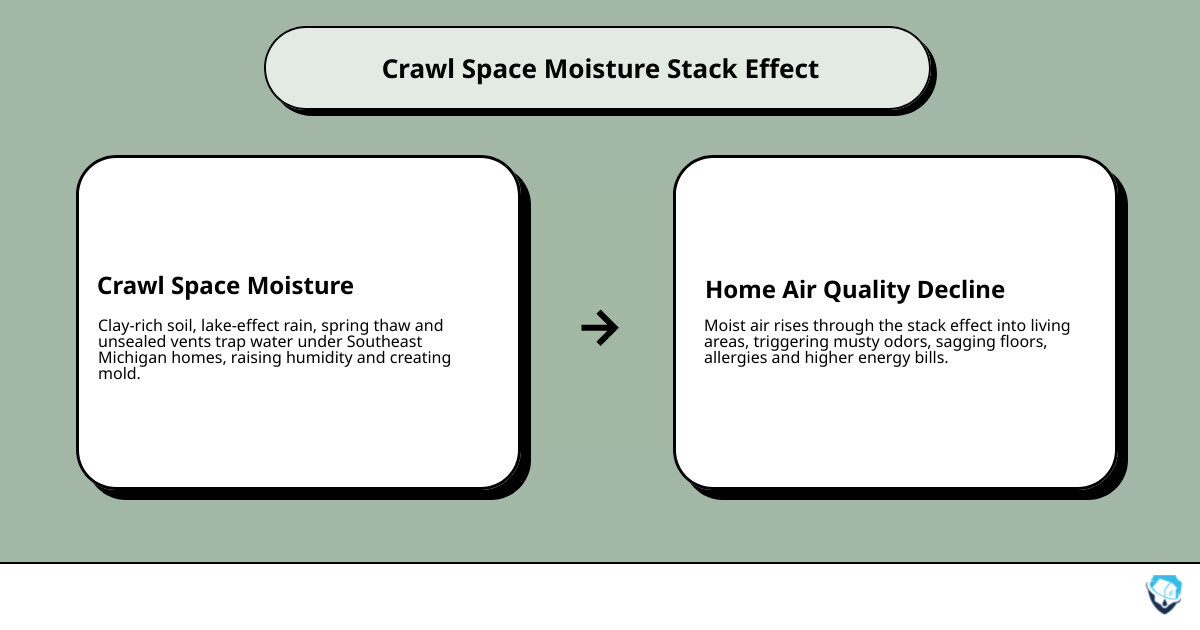
Common Signs Your Crawl Space Needs Encapsulation
Environmental Causes and Seasonal Diagnosis
Living in Southeast Michigan means dealing with a unique set of environmental factors that seem almost designed to put water in your crawl space. From the shores of Lake St. Clair to the inland neighborhoods of Genesee County, the local geology and climate play a massive role in how much moisture ends up under your feet.
The primary culprit is our clay-rich soil. Unlike sandy soils that allow water to drain away quickly, the clay found throughout Metro Detroit and the surrounding counties acts like a sponge. It absorbs water, holds onto it, and expands. This creates significant groundwater pressure—what we call hydrostatic pressure—against your crawl space walls. When the soil is saturated, that water is looking for any way out, and unfortunately, the path of least resistance is usually a crack in your foundation or the porous surface of a block wall.
Then there is the “Lake-Effect.” While we usually associate this with heavy winter snow, it also means we get significant precipitation year-round. When you combine this with the spring thaw, you get a recipe for disaster. As the snow melts and the ground begins to thaw, the volume of water in the soil skyrockets. If your home doesn’t have a robust Vapor Barrier Solution, that water vapor will travel straight from the damp earth into your crawl space.
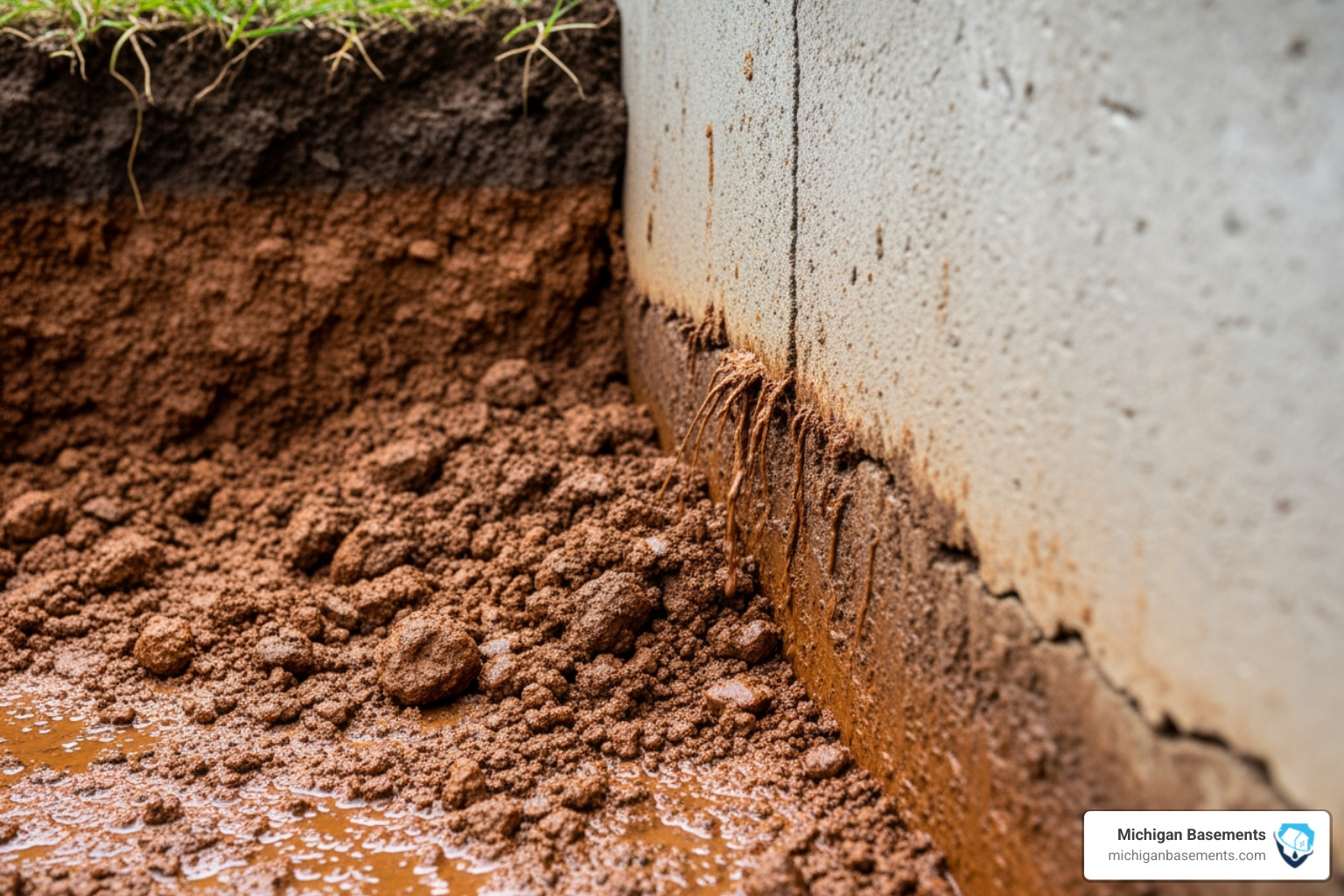
Diagnosing Southeast Michigan Crawl Moisture in Summer
You might think that once the spring rains stop, your crawl space is safe. However, summer brings a different kind of moisture: high humidity. During a typical Michigan July or August, the air is hot and “sticky.”
When this warm, humid air enters a vented crawl space, it hits the cooler surfaces of your foundation walls, floor joists, and plumbing pipes. This causes the air to reach its dew point, resulting in condensation. It’s the same effect you see on a cold can of pop on a hot day. In your crawl space, this “sweating” creates a perpetually damp environment that is perfect for mold growth. Many homeowners ask us, “Is It Bad If There’s Water in My Crawl Space?” and the answer is a resounding yes. Even if it’s just a little bit of condensation, it can lead to long-term structural decay.
The Impact of Glacial Soil and Radon Entry
Southeast Michigan’s landscape was shaped by glaciers, leaving behind a mix of deposits that affect more than just water drainage. These glacial soils can also be a source of radon gas. Radon is a colorless, odorless gas that occurs naturally in the soil.
The same cracks and gaps that allow southeast michigan crawl moisture to enter your home also serve as entry points for radon. Because of the stack effect we mentioned earlier, radon gas can be pulled up from the soil, through the crawl space, and into your living areas. This is one of the many reasons why How Crawl Space Encapsulation Protects Your Home’s Foundation is so important—it doesn’t just block water; it creates a sealed barrier against soil gases.
Warning Signs and Structural Consequences
Most homeowners don’t spend a lot of time in their crawl spaces (and we don’t blame you!). However, your home will usually start “talking” to you when there’s a moisture problem below. One of the most common early warnings is musty odors. If you open a closet or walk into a room and smell something “earthy” or stale, that’s often the smell of mold and mildew off-gassing in the crawl space and rising through the floorboards.
You might also notice efflorescence on your foundation walls. This is a white, powdery substance that looks like salt. It occurs when water seeps through the concrete or brick and leaves behind mineral deposits as it evaporates. It’s a clear sign that moisture is moving through your walls. Other signs include:
- Peeling paint or wallpaper on the first floor.
- Visible mold on the underside of floor insulation.
- Rusting on metal fasteners or HVAC components located under the house.
What’s That Smell? Identifying Odors in Your Crawl Space
Another major concern is pests. Damp, dark spaces are a magnet for critters. From termites and carpenter ants that love wet wood to mice and spiders, a wet crawl space is an open invitation. How Critters Can Damage Your Crawlspace is a topic we discuss often because these guests can chew through wiring and destroy insulation, adding to your repair bill.
Structural Risks of Southeast Michigan Crawl Moisture
The structural integrity of your home relies on the wooden framework in your crawl space—the joists, beams, and band boards. When southeast michigan crawl moisture is left unchecked, it leads to wood rot.
Wood rot isn’t just a surface issue; it softens the wood until it can no longer support the weight of your home. This is why you might experience sagging floors or gaps between your baseboards and the floor. In severe cases, the band board (the piece of lumber that sits directly on the foundation) can deteriorate, leading to foundation settlement. If you notice your doors are sticking or you see new cracks in your drywall, it might be time to look at our Wall Stabilization Services.
Indoor Air Quality and Health Symptoms
We cannot stress enough that the air in your crawl space is the air in your home. When mold spores are allowed to flourish in a damp crawl space, they are eventually sucked into your living room, bedrooms, and kitchen.
For many families in Greater Detroit, this leads to “unexplained” health issues. Common symptoms include:
- Persistent coughing or wheezing.
- Itchy, watery eyes.
- Skin irritation or rashes.
- Increased asthma attacks.
In extreme cases, prolonged exposure to certain types of mold can lead to hypersensitivity pneumonitis, a condition that mimics pneumonia. This is why understanding How Crawl Space Encapsulation Helps with Indoor Air Quality is a vital part of maintaining a healthy household.
Addressing Southeast Michigan Crawl Moisture with Professional Repair
If you’ve discovered moisture under your home, don’t panic. There are proven, professional ways to fix the problem for good. The goal is to transform that “scary” dark space into a clean, dry area that protects your home’s value.
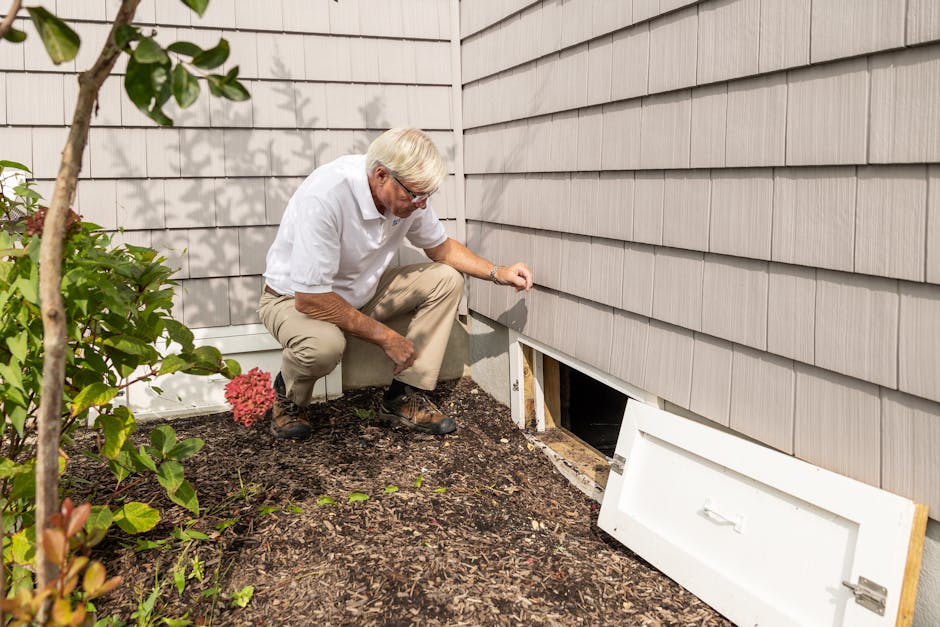
The most effective solution is a combination of encapsulation and water management. This typically involves:
- Crawl Space Drainage: Installing an interior drainage line to catch any water that seeps through the walls.
- Sump Pumps: A high-quality sump pump (often with a battery backup) to pump that water safely away from the house.
- Vapor Barriers: Covering the floor and walls with a heavy-duty, multi-ply plastic liner.
Vapor Barrier Solutions are the backbone of this process. By sealing the dirt floor and the foundation walls, we stop the “ground moisture” from ever entering the air space.
The Role of Vapor Barriers and Dehumidification
Simply putting down a thin piece of plastic isn’t enough. Professional encapsulation uses a moisture-proof liner that is thick enough to withstand traffic and sealed at every seam. This process, known as air sealing, prevents humid outdoor air from leaking in.
However, even with a great vapor barrier, you still need to control the relative humidity inside the space. In Southeast Michigan, we recommend installing a dedicated crawl space dehumidifier. Unlike the small units you might buy at a big-box store, these are designed to work in cool, tight spaces and can move a massive amount of moisture out of the air. This ensures the humidity stays below 50%, which is the “magic number” to prevent mold growth. The Role of Vapor Barriers in Crawl Space Encapsulation is to block the source, while the dehumidifier manages the atmosphere.
Long-Term Benefits of Encapsulation
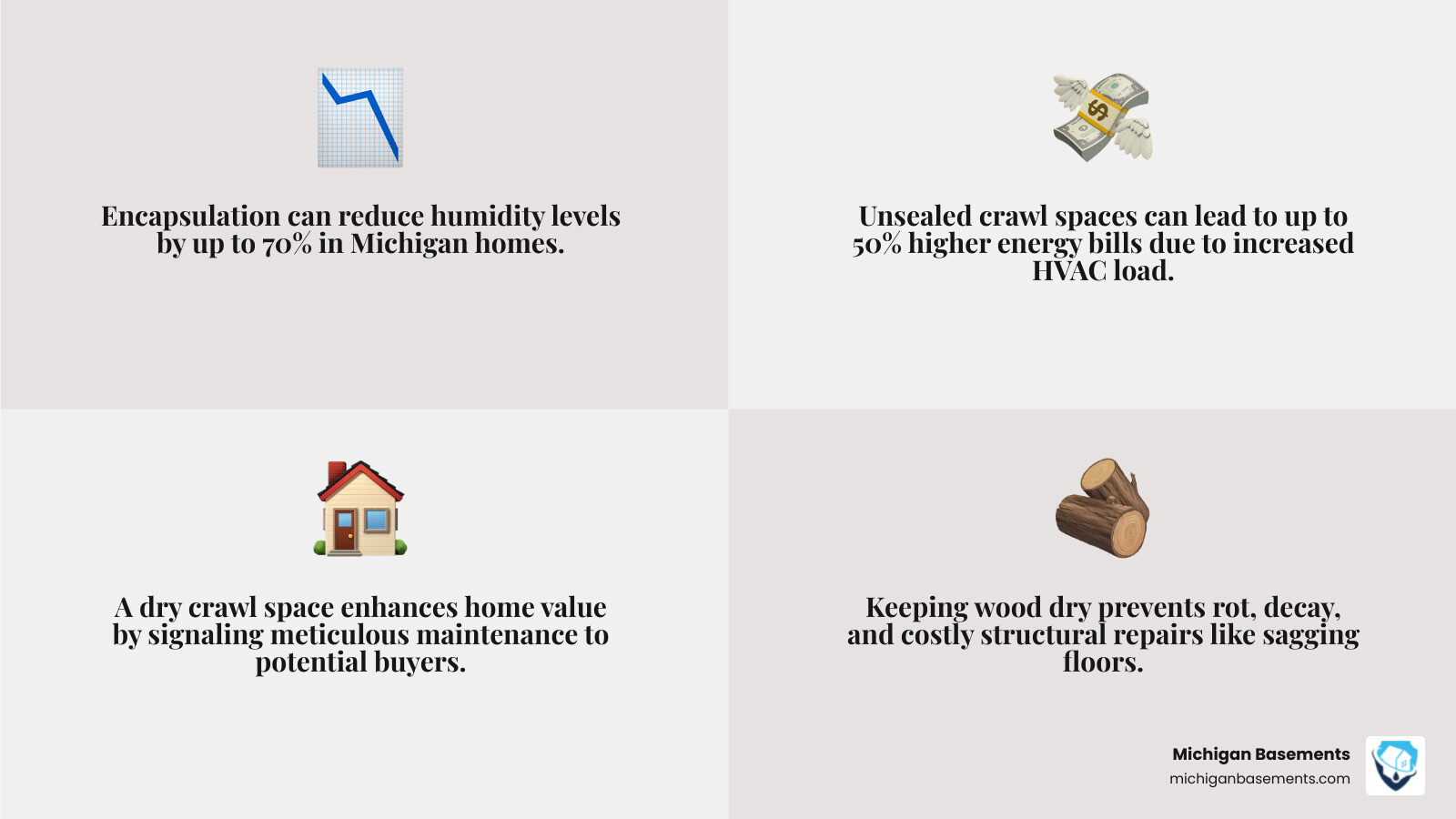
Is it worth the investment? Absolutely. According to regional data, proper crawl space encapsulation can reduce humidity levels by up to 70%. But the benefits go beyond just “dryness”:
- Energy Efficiency: Michigan homes with unsealed crawl spaces can see up to 50% higher energy bills. Encapsulation seals out the cold winter air and the hot summer humidity, meaning your HVAC system doesn’t have to work nearly as hard.
- Home Value: A dry, clean crawl space is a huge selling point. It shows potential buyers that the home has been meticulously maintained.
- Structural Integrity: By keeping the wood dry, you prevent the rot and decay that leads to sagging floors and expensive structural repairs.
Is Crawl Space Encapsulation Worth the Investment? and How to Dry Out a Crawl Space are great resources to help you weigh the costs and benefits for your specific home.
Frequently Asked Questions
Is crawl space encapsulation necessary for newer Michigan homes?
Yes, it often is. Even though newer homes are built to different codes, they are still subject to the same southeast michigan crawl moisture issues. Poor yard grading, lack of proper ventilation, or specific site conditions (like being built on a former wetland) can cause moisture problems in a home that’s only a few years old. If you’re considering a DIY approach versus hiring us, check out DIY vs Professional Crawl Space Encapsulation.
How long does it take to dry out a crawl space?
The timeline depends on the severity of the moisture. If there is standing water, we first have to install drainage and a sump pump. Once the “bulk water” is gone, a high-powered dehumidifier can usually bring the humidity down to safe levels within a few days to a week. For a deeper dive into the process, read How to Dry Out a Crawl Space.
Can moisture in the crawl space cause foundation cracks?
It certainly can. As we mentioned, Michigan’s clay soil expands when wet and contracts when dry. This cycle puts immense hydrostatic pressure and structural stress on your foundation. Over time, this can lead to bowing walls and cracks. How Crawl Space Encapsulation Protects Your Home’s Foundation explains how keeping the soil around and under your foundation at a more consistent moisture level can prevent this damage.
Conclusion
At Michigan Basements, we’ve seen how southeast michigan crawl moisture can turn a dream home into a headache. But we’ve also seen how a professional, family-owned approach can fix these issues permanently. Whether you are in Bloomfield Twp, Detroit, or out in Livingston County, we bring years of expertise to every job.
Our process is built on customer involvement and clean workmanship. We offer no-cost inspections because we believe you should fully understand the state of your home before making a decision. From simple vapor barriers to complex Wall Stabilization Services, we are here to ensure your home stays dry, healthy, and strong for decades to come.
If you’ve noticed a musty smell, sagging floors, or just want the peace of mind that comes with a professional inspection, give us a call. Let’s get that moisture out from under your home so you can breathe easier.
 Get instant pricing!